
Written by Steve Daniels
The Government’s new National Youth Strategy, backed by more than £500 million over four years, promises every young person “a place to go, someone who cares for them, and a strong sense of community belonging.”
Few would disagree with that ambition BUT and it’s a BIG BUT it’s easy to say and but harder to turn into reality!
The scale of disengagement is stark. Persistent absence remains 56% above pre-pandemic levels, with 1.4 million pupils missing more than one in ten school days. Severe absence has risen 167% since 2019. Local government youth spending fell 73% between 2010 and 2023. Meanwhile, loneliness among 16-25 year olds is higher than any other age group – 72% say it damages their mental health – and one in five 18-34 year olds now have just one or no close friends, three times the level of a decade ago. And alongside this communities report rising anti-social behaviour and eroding civic pride.
“Belonging does not come from policy documents, sound bites or awareness campaigns. It comes from responsibility, contribution, and seeing that your effort can make a real difference.”
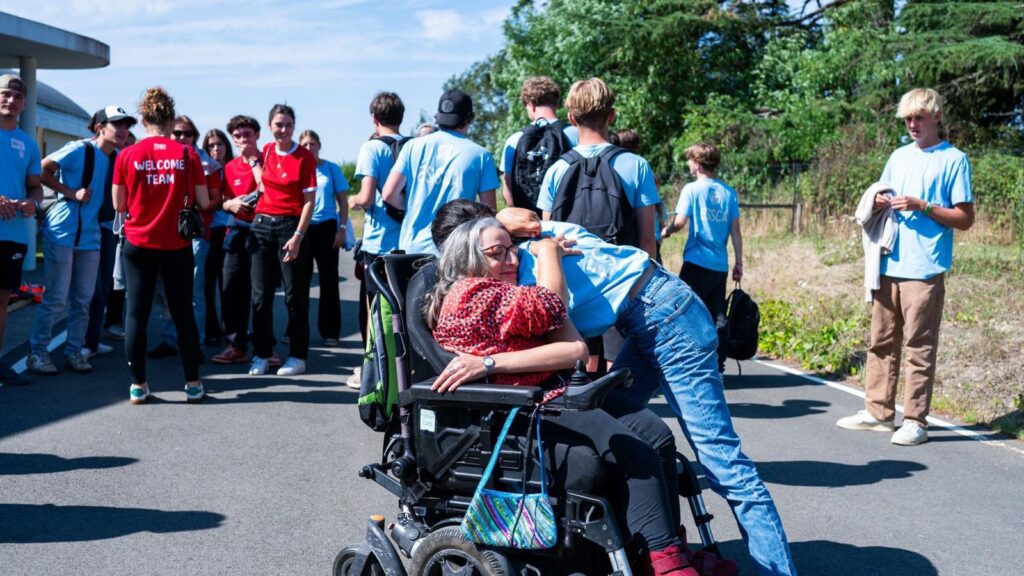
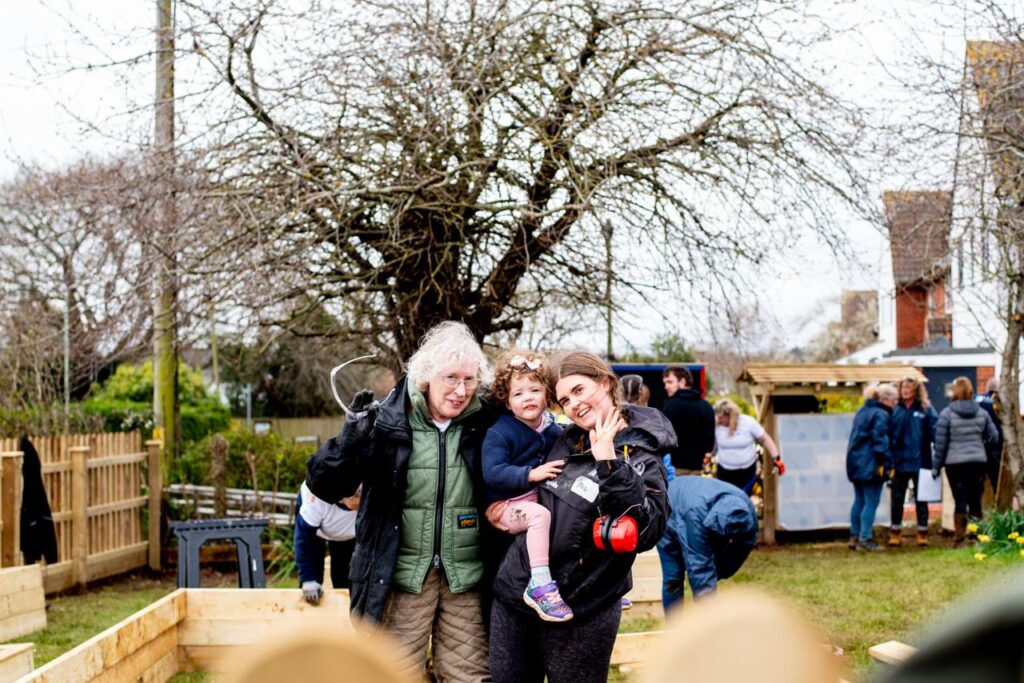
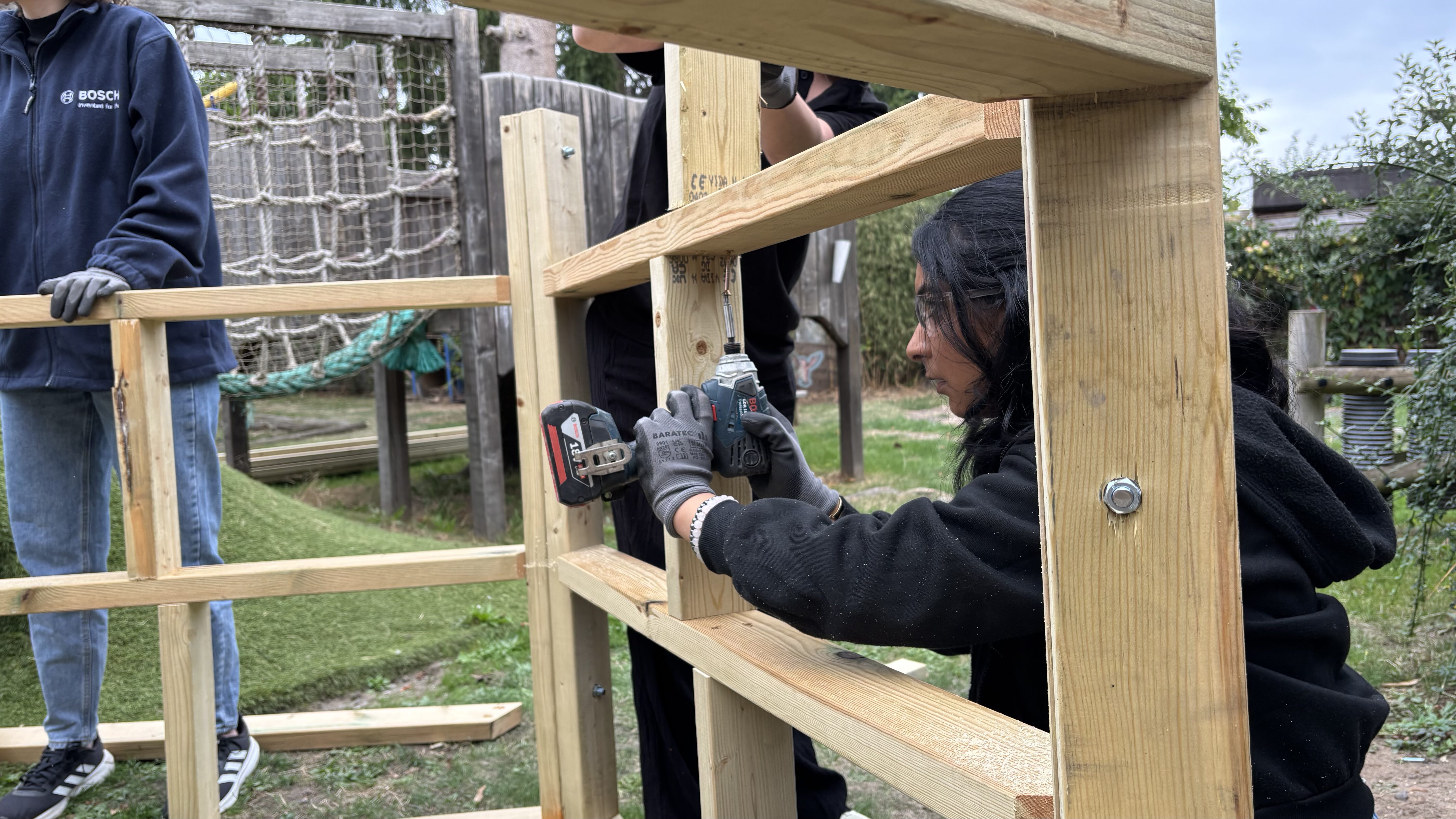
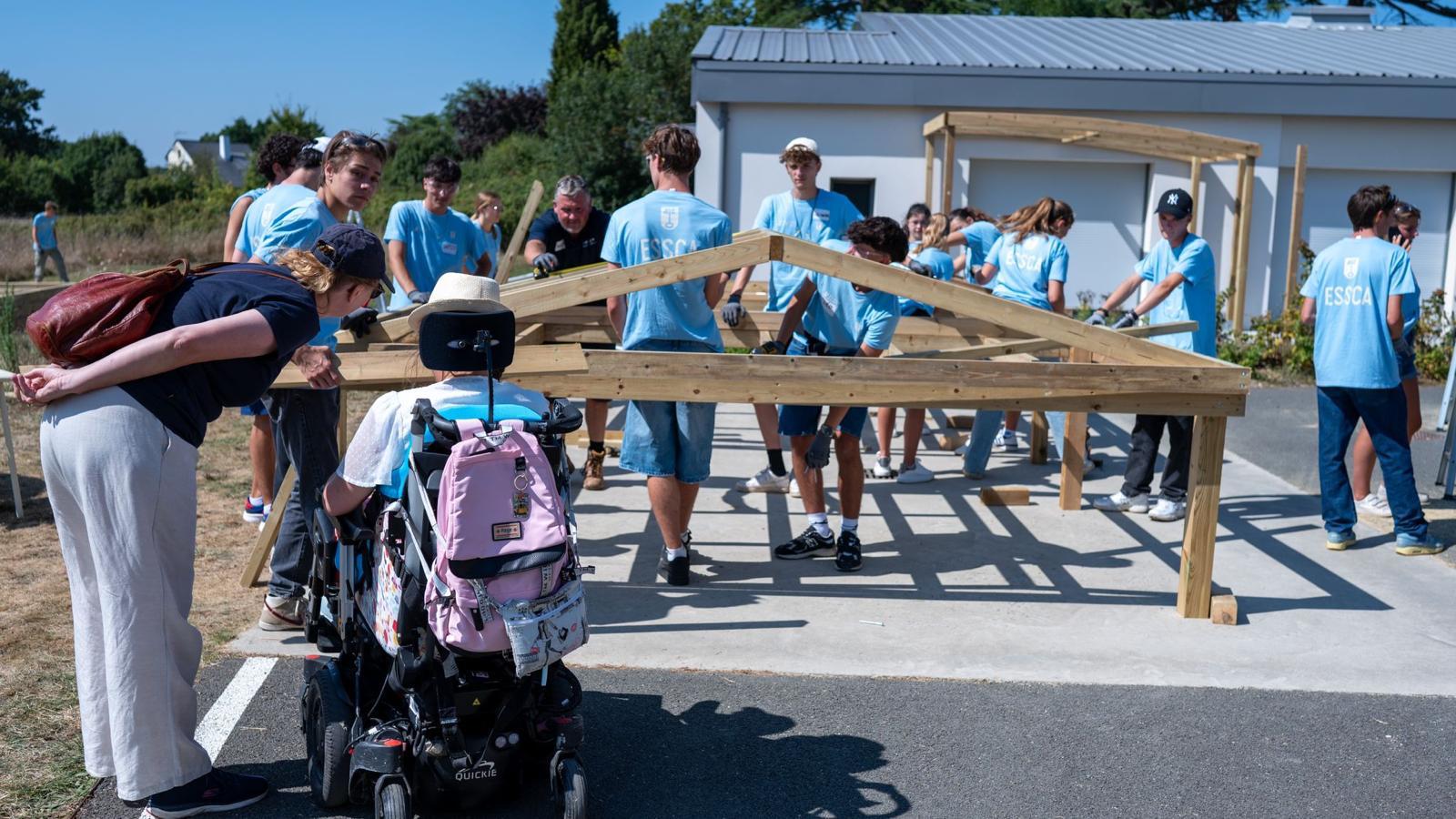
For more than 20 years, Splash Community Projects has been helping people do exactly that – bringing people of all ages and different cultures together to design and physically build assets for their communities: playgrounds, sensory gardens, outdoor classrooms, accessible hubs. 70,000 participants. 1,000+ projects. £30 million of community value. When the ribbon is cut, they are not passive recipients of services. They are creators of something permanent that makes a real difference to their community.
Schools are a core of our society, but a lot of young people engage more when activities are social, expressive, and – critically – don’t feel like school. Participatory design research suggests that when communities, especially young people, are involved in designing and managing shared spaces, vandalism decreases and stewardship increases. The evidence base is still developing, but the direction of findings is consistent: participation in the making creates a sense of ownership that passive use never does.
The National Youth Strategy’s own ambition – to shift young people from “excluded to empowered” – is exactly right. But only one in four young people currently feel their voice matters. That is not a communication problem. It is an agency problem. For schools, Splash offers a reset moment in a setting that meets young people where the Census says they can be reached. For councils under financial strain, the model stretches every pound – commissioning a process that activates and empowers the community, not just a facility built for it.The National Strategy commits to three shifts: national to local, fragmented to collaborative, excluded to empowered. Splash embodies all three and is committed to playing its part in making the Government’s vision a reality.
If we want the next generation to care about their communities, we must give them projects to lead, spaces to create, and a visible stake in the places they call home.
Interested in learning more? Email [email protected]